Business & Regulation
50 stories in this category
Litecoin Chain Rollback Raises Security Questions
Litecoin recently executed an emergency 13-block reorganization to reverse a zero-day attack, effectively rolling back transactions. This incident highlights that even established blockchains can face security vulnerabilities, challenging the perception of absolute immutability and finality. The key data point is the 13 blocks that were reorganized, demonstrating a significant network intervention. Moving forward, the industry will be watching closely for how other chains address similar potential attack vectors and whether this event impacts confidence in proof-of-work security models.

Iran and Oman discuss regional security, Strait of Hormuz amid US talks speculation
Iran and Oman recently engaged in high-level talks concerning regional security and the critical Strait of Hormuz. This dialogue is significant as Oman often acts as a mediator, potentially paving the way for renewed US-Iran discussions. Such developments could directly impact global oil markets and, by extension, broader economic stability, which often correlates with investor sentiment in crypto. The Strait of Hormuz, through which roughly 20% of the world's oil transits, remains a key choke point. Investors should monitor any progress in these diplomatic efforts, as de-escalation could reduce geopolitical risk premiums across all asset classes, including Bitcoin.

CFTC sues New York as prediction market fight escalates
The Commodity Futures Trading Commission (CFTC) has sued New York State, seeking to prevent state gambling laws from applying to federally regulated prediction market platforms. This legal challenge is significant for the broader crypto market as it directly addresses the regulatory boundaries for prediction markets, a sector often seen as a potential use case for decentralized finance. The core of the dispute centers on whether prediction markets constitute illegal gambling under state law or legitimate derivatives trading under federal oversight. Investors should watch this case closely, as its outcome could set precedents for how digital assets and decentralized prediction platforms are regulated across different jurisdictions.
Litecoin rewrites three hours of history to undo its first major privacy-layer exploit
Litecoin recently executed a significant chain reorganization, rewriting three hours of its transaction history. This unprecedented move was a direct response to attackers exploiting a privacy layer vulnerability to attempt double-spends against cross-chain swap protocols. The incident underscores the ongoing challenges in securing privacy-focused transactions and the potential for network-level interventions to combat exploits. Moving forward, the crypto community will be watching how this event impacts trust in Litecoin's immutability and the broader implications for privacy-centric protocols.
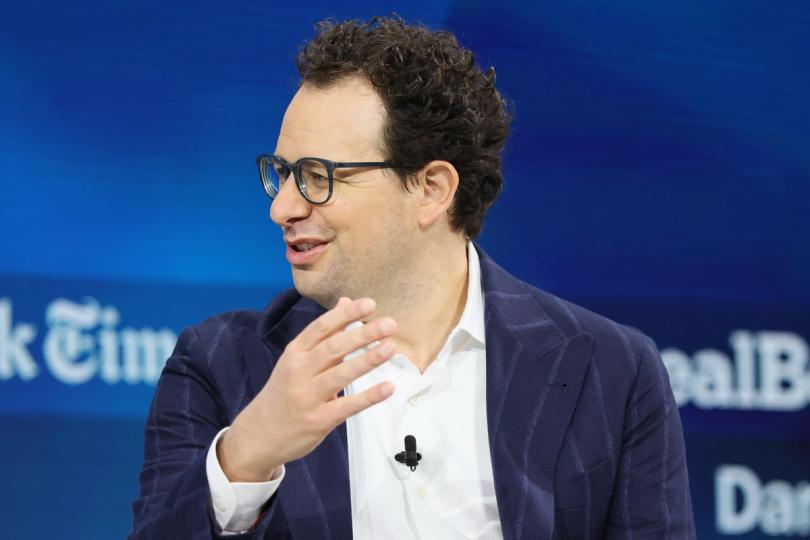
How Anthropic’s Mythos model is forcing the crypto industry to rethink everything about security
Anthropic's Mythos AI model is prompting a significant re-evaluation of security protocols across the crypto industry. This development matters because advanced AI is expected to arm both malicious actors and security teams, creating a growing divide between projects with robust defenses and those that are vulnerable. The core takeaway is that AI will dramatically escalate the sophistication of cyber threats and defenses. Moving forward, watch for increased investment in AI-driven security solutions and a potential consolidation of capital towards projects demonstrating superior AI-enhanced protection.
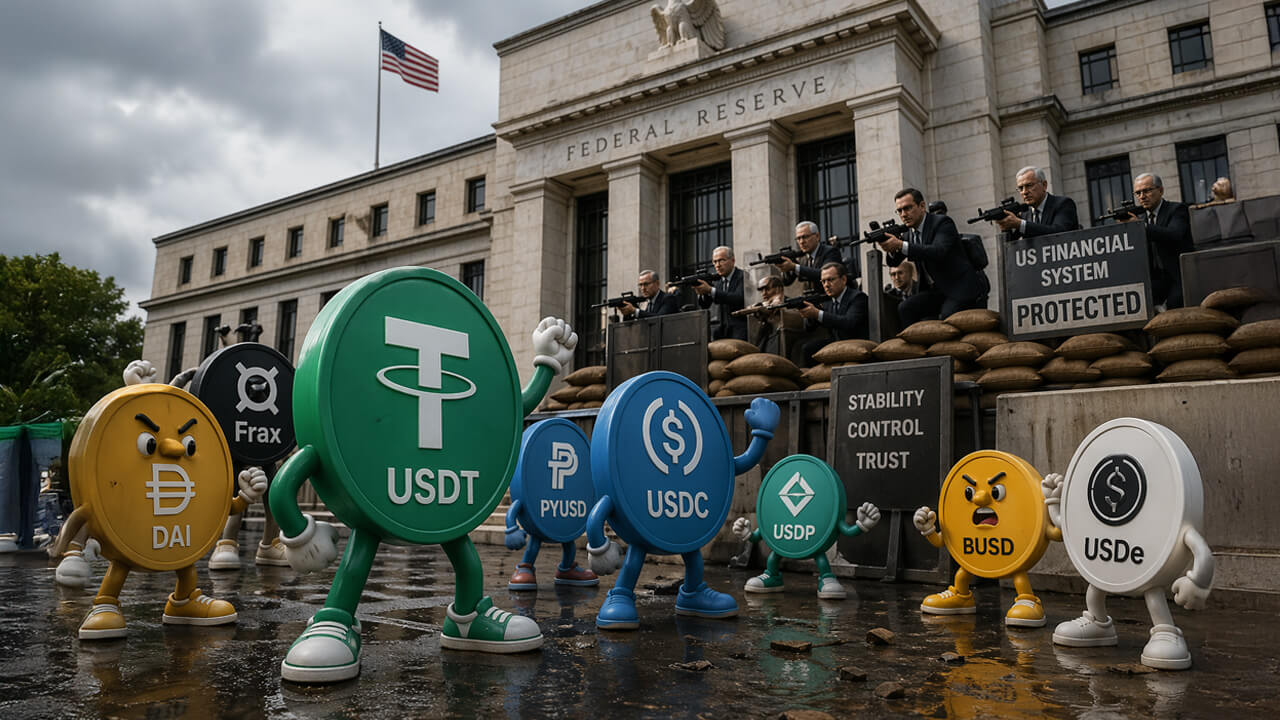
The world’s central banks are now treating stablecoins like a real multi-trillion dollar monetary threat
Central banks are now viewing stablecoins as a significant monetary force, shifting their focus from debating risk to establishing control and regulation. This matters for Bitcoin and the broader crypto market as it signals an impending, coordinated global effort to integrate stablecoins into the traditional financial system. The Bank for International Settlements (BIS) General Manager Pablo Hernandez de Cos highlighted this, calling for "critically important" global cooperation. Moving forward, watch for concrete regulatory frameworks and international agreements that will shape how stablecoins operate and interact with fiat currencies worldwide.

CFTC sues New York over bid to apply gambling laws to prediction markets
The Commodity Futures Trading Commission (CFTC) has sued New York, seeking to block the state from applying gambling laws to prediction market platforms. This action is significant as it asserts the CFTC's exclusive federal jurisdiction over event-based contracts, challenging state-level attempts to regulate these emerging markets. The core issue revolves around whether prediction markets, which often involve crypto-based platforms, fall under federal commodities law or state gambling statutes. This legal battle could clarify regulatory boundaries, impacting how crypto-adjacent prediction platforms operate and potentially paving the way for broader adoption or stricter oversight. Watch for the court's decision, as it will set a precedent for federal versus state authority in this innovative sector.
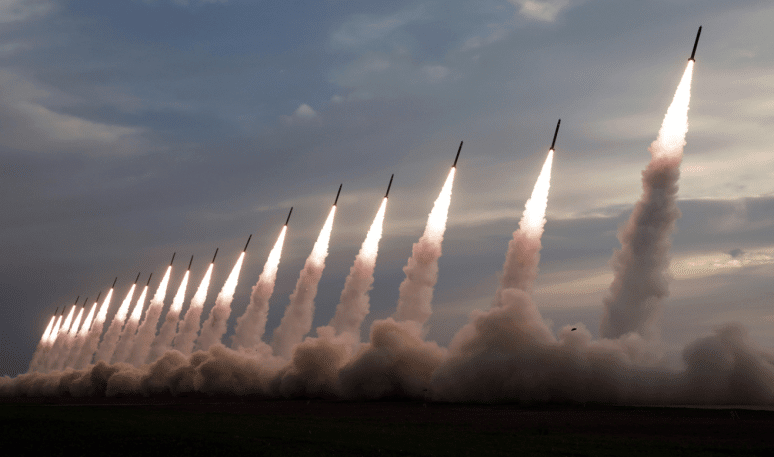
Israel intercepts drones, strikes southern Lebanon amid ceasefire uncertainty
Recent military actions saw Israel intercept drones and conduct strikes in southern Lebanon, escalating regional tensions. This incident is significant for the crypto market as geopolitical instability often fuels market volatility, particularly for assets like Bitcoin that can be seen as safe havens or risk-on plays depending on the narrative. While no specific market data point is provided, the immediate impact is typically observed in sentiment-driven price fluctuations. Moving forward, watch for further developments in the Middle East and their potential to influence global risk appetite and crypto asset performance.
CFTC sues New York over prediction market crackdown as 38 AGs back Massachusetts’ Kalshi case
The CFTC has sued New York, challenging the state's crackdown on prediction markets, while 38 state Attorneys General are backing Massachusetts in a related case against Kalshi. This marks the fourth state the CFTC has sued in three weeks, highlighting escalating federal-state regulatory conflicts. This growing friction creates significant legal uncertainty for crypto businesses and platforms operating across state lines, potentially impacting market access and innovation. With 38 AGs involved, watch for further legal battles and potential appeals that could clarify or complicate the regulatory landscape for digital assets and novel financial products.

Europe’s banks are going all in on crypto
European banks are significantly increasing their integration of digital assets into their traditional financial services, particularly within brokerage and payments. This move is largely driven by the clarity and regulatory framework provided by the new MiCA legislation. It signals a critical shift towards mainstream adoption, potentially unlocking substantial institutional capital and liquidity for the crypto market. Watch for the pace of new digital asset product launches and the volume of institutional inflows as banks roll out these services across the continent.
Bitcoin Has 1 Week to Secure Its Best April Since 2020
Bitcoin is on track for its strongest April performance since 2020, currently up 13.71% for the month. This positive momentum is significant, signaling robust short-term price action and potentially strong market sentiment following the recent halving event. To secure this five-year high, BTC needs to gain just 0.5% by the end of the week. Investors should closely watch Bitcoin's price movements over the next few days to see if it closes out April with this notable achievement.
Federal Agency Sues New York Over Prediction Market Ban
The Commodity Futures Trading Commission (CFTC) has sued New York State, challenging its ban on federally registered prediction market exchanges. This legal action is significant for the broader crypto market, as it directly addresses the ongoing conflict between federal and state regulatory authority over novel financial instruments. The CFTC's complaint seeks a declaratory judgment affirming federal preemption, arguing that federal law should supersede state gambling statutes in this domain. Investors should watch the court's decision closely, as it could set a crucial precedent for how digital assets and related platforms are regulated across the United States.
Iran, Oman leaders discuss Strait of Hormuz security amid tensions
Leaders from Iran and Oman recently met to discuss security in the Strait of Hormuz, a critical global shipping lane. While these talks aim to ease regional tensions, significant diplomatic breakthroughs or a full normalization of traffic are not yet assured. This matters for crypto as geopolitical stability, particularly concerning major oil transit points, directly impacts global economic sentiment and energy prices, which can influence investor appetite for risk assets like Bitcoin. The Strait of Hormuz facilitates roughly 20% of the world's oil supply. Moving forward, watch for concrete actions or further diplomatic engagements that signal a genuine de-escalation or, conversely, any renewed disruptions in this vital waterway.

Israeli airstrikes hit southern Lebanon after evacuation warning
Israeli airstrikes have targeted southern Lebanon following an evacuation warning, escalating regional tensions. This development is significant for the crypto market as geopolitical instability often drives risk-off sentiment, potentially impacting Bitcoin and other digital assets. The immediate concern is the destabilization of regional diplomacy, including crucial Iran-Oman talks, highlighting the interconnectedness of global events. Investors should closely monitor the diplomatic fallout and any further military actions, as continued escalation could influence market sentiment and asset flows.

Israeli raid in southern Lebanon causes injuries amid ceasefire period
An Israeli raid in southern Lebanon resulted in injuries, occurring during a ceasefire period. This incident underscores the inherent fragility of geopolitical ceasefires, suggesting that broader market confidence, including in crypto, might be underestimating potential risks from escalating conflicts. While no specific financial data is available for this event, the key takeaway is the immediate breach of an agreed-upon pause in hostilities. Investors should closely monitor regional stability and any further military actions, as these events can quickly shift global risk sentiment.
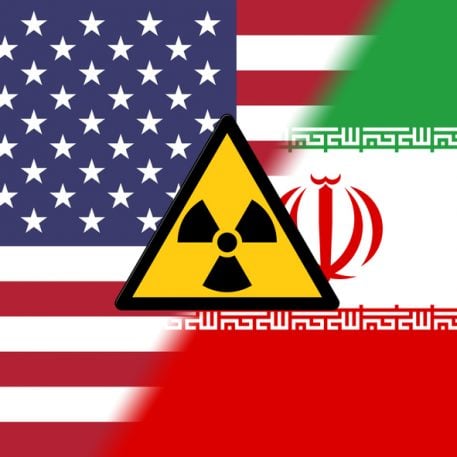
Iran’s Araqchi meets Oman’s Sultan to discuss US conflict, Hormuz security
Iranian diplomat Araqchi met with Oman's Sultan to discuss regional security, specifically the US conflict and the Strait of Hormuz. This geopolitical development matters for Bitcoin and the broader crypto market due to its potential to escalate global instability and impact oil prices, which often correlates with investor flight to alternative assets. The key takeaway is the ongoing uncertainty surrounding regional stability and negotiations. Moving forward, watch for any further diplomatic breakthroughs or escalations regarding the Strait of Hormuz, as these events could influence market sentiment and asset flows.

Israeli military orders evacuation of seven Lebanese towns amid ongoing operations
The Israeli military has ordered the evacuation of seven towns in southern Lebanon, signaling a significant escalation in regional tensions. This development challenges market expectations for a near-term de-escalation or ceasefire, which could impact global risk appetite. The evacuation of seven towns underscores the heightened geopolitical instability. Investors should closely monitor further military actions and diplomatic efforts in the region, as sustained conflict could influence broader market sentiment and Bitcoin's role as a potential safe-haven asset.

Lebanese PM challenges Hezbollah, complicates Israel talks
Lebanese Prime Minister Salam has directly challenged Hezbollah, creating significant internal political instability. This development is crucial as it complicates ongoing diplomatic efforts, particularly those involving Israel, and could escalate regional tensions. While no specific crypto-related data point is provided, such geopolitical unrest often drives investors towards perceived safe-haven assets like Bitcoin, or conversely, increases market volatility due to uncertainty. Moving forward, watch for any escalation in the internal Lebanese power struggle and its broader impact on Middle Eastern stability, as these events can indirectly influence global financial markets and crypto sentiment.

Israel strikes Lebanese infrastructure, withdrawal by April unlikely
Israel's recent strikes on Lebanese infrastructure signal a likely escalation and prolongation of the conflict, making an April withdrawal improbable. This geopolitical instability matters for the broader crypto market as regional conflicts often fuel global risk aversion, potentially driving demand for perceived safe-haven assets like Bitcoin, or conversely, increasing market volatility. The key takeaway is the *unlikelihood of an April withdrawal*, indicating sustained uncertainty. Investors should continue to monitor the humanitarian situation and any further military actions, as these will dictate market sentiment and capital flows in the coming weeks.

Lebanon frees last Hezbollah detainees on minimal bail amid ceasefire concerns
Lebanon has released its last Hezbollah detainees on minimal bail, a move that could significantly impact regional stability. This development matters for the broader crypto market as it risks emboldening the group, potentially destabilizing the current ceasefire. Should hostilities resume, we could see a swift market repricing, reflecting increased geopolitical risk. Investors should closely watch for any escalation of tensions in the region as a key indicator for market sentiment.

Israeli attacks in Lebanon kill 2,490 amid ceasefire market certainty
Israeli attacks in Lebanon have reportedly killed 2,490 people, yet crypto markets are exhibiting unusual certainty amidst the ongoing conflict. This stark disconnect between geopolitical reality and trader sentiment suggests a potential for significant market volatility ahead. The key number here is 2,490, representing the tragic human cost largely ignored by current market behavior. Moving forward, observers should watch for any signs of this geopolitical tension finally impacting market stability, particularly as the conflict evolves.

Israel drops leaflets over Sour, straining Lebanon ceasefire
Israel recently dropped leaflets over Sour, Lebanon, a move that has significantly heightened regional tensions. This action is critical for the broader crypto market as geopolitical instability often impacts investor confidence and risk appetite, potentially leading to capital flight from risk assets like Bitcoin. The core issue is the strain this places on diplomatic efforts and the fragile ceasefire, signaling a potential escalation rather than de-escalation. Moving forward, observers should closely monitor any further military actions or diplomatic breakthroughs in the region, as these will likely influence market sentiment.

UK, US collaborate on security as King Charles plans US visit amid oil tensions
The UK and US are strengthening security collaboration, highlighted by an upcoming visit from King Charles, amidst ongoing global oil tensions. This partnership aims to stabilize geopolitical uncertainties, which can indirectly influence broader economic sentiment. While not directly crypto-related, improved global stability and eased oil market pressures often foster a more favorable environment for risk assets like Bitcoin. Watch for official statements following King Charles's visit and any subsequent market reactions to these diplomatic efforts.

Gunman targets Trump officials at White House dinner, raising security concerns
A gunman targeted Trump administration officials at a White House dinner, raising significant security concerns. This incident matters for the broader crypto market due to its potential to destabilize political leadership and influence political prediction markets, which often utilize blockchain technology. While no specific financial data point is available, the event underscores how real-world geopolitical instability can indirectly impact crypto sentiment. Moving forward, watch for any shifts in political stability or increased trading activity on relevant prediction market platforms.

US Treasury meets bank CEOs over Anthropic’s Mythos cybersecurity risks
The US Treasury recently convened with bank CEOs to discuss potential cybersecurity risks associated with Anthropic's Mythos AI. This meeting signals growing regulatory scrutiny on advanced AI models, which could significantly impact Anthropic's anticipated IPO valuation and broader market confidence. The key takeaway is the intensified focus from traditional finance regulators on AI's potential systemic risks. Moving forward, watch for further regulatory guidance or actions concerning AI integration into financial systems, as this could set precedents affecting the wider tech and crypto landscapes.
Lebanon PM criticizes focus on minor issues over Hezbollah disarmament
Lebanon's Prime Minister has publicly criticized the focus on minor issues, arguing that Hezbollah's disarmament should be the priority for national stability. This highlights ongoing geopolitical tensions in the Middle East, which can impact global market sentiment, including the broader crypto market. While market confidence in ceasefire compliance is noted, the persistent internal focus and external skepticism from Israel remain key concerns. Investors should watch for any escalation or de-escalation of regional conflicts, as these events often influence risk-on assets like cryptocurrencies.
Solana Foundation backs Aave recovery with first-ever USDT deployment, plans to bring AAVE to Solana
The Solana Foundation has deployed USDT to Aave, marking its first-ever use of USDT in a recovery effort, and plans to integrate AAVE onto the Solana blockchain. This move is significant as it demonstrates a commitment to cross-chain collaboration and resilience within the broader crypto ecosystem. The "first-ever USDT deployment" highlights a new strategic approach to supporting DeFi protocols. Moving forward, watch for the successful integration of AAVE onto Solana and how this collaboration impacts liquidity and user trust across both platforms.

Israeli military raids West Bank amid escalating settler violence
Israeli military forces recently conducted raids in the West Bank amidst rising settler violence. While a significant internal security event, this action appears to have a limited direct impact on broader regional military strategies or global market perceptions, including the crypto market. The key takeaway is that these operations are largely viewed as internal security priorities rather than a major geopolitical shift. Moving forward, watch for any escalation beyond localized conflict that could alter this assessment and potentially influence investor sentiment.

Israel and Lebanon hold US-hosted talks amid Hezbollah tensions
US-hosted talks between Israel and Lebanon have commenced, aiming to de-escalate long-standing border tensions. While these diplomatic efforts suggest potential progress, the significant influence of Hezbollah in Lebanon presents a persistent challenge to any lasting resolution. Such geopolitical instability in the Middle East often impacts global financial markets, potentially driving demand for decentralized assets like Bitcoin as a perceived safe haven. Investors should monitor the outcomes of these talks and any shifts in regional stability, as they could influence broader crypto market sentiment.
BIS warns crypto exchanges acting as “shadow banks,” raising systemic risk concerns
The Bank for International Settlements (BIS) has issued a warning that crypto exchanges are increasingly functioning as "shadow banks." This development is significant for the broader crypto market as it highlights growing systemic risk concerns and could trigger increased regulatory scrutiny. While no specific data point was provided, the BIS's stance suggests a potential reshaping of financial markets, impacting investor confidence and driving policy shifts. Moving forward, observers should watch for concrete regulatory actions or legislative proposals emerging from these warnings, particularly concerning exchange operations and capital requirements.
Putin approval hits wartime low, market sees no immediate threat to power
Russian President Vladimir Putin's approval rating has reportedly reached a wartime low. Despite this decline, market sentiment indicates no immediate threat to his grip on power, suggesting continued political stability within Russia. This matters for the broader crypto market as geopolitical certainty, or lack thereof, can influence global investor confidence and capital flows. The key takeaway is the market's assessment of Putin's enduring control despite public sentiment. Moving forward, observers should watch for any shifts in market perception regarding Russian internal stability, as this could signal potential wider economic or geopolitical impacts.

IDF strikes Al-Khaiam amid ongoing clashes with Hezbollah in southern Lebanon
The Israeli Defense Forces recently struck Al-Khaiam amidst ongoing clashes with Hezbollah in southern Lebanon. Despite these continued hostilities, market sentiment suggests a strong belief in an eventual ceasefire, maintaining a degree of stability. This resilience indicates that the broader crypto market is not currently pricing in significant geopolitical risk from this conflict. Investors should closely monitor any major diplomatic developments or escalations, as these could quickly shift confidence and impact market stability.

Israel strikes Hezbollah targets, straining fragile ceasefire in Lebanon
Israel's recent strikes on Hezbollah targets in Lebanon have significantly strained the fragile ceasefire, escalating regional tensions. This geopolitical instability matters for the broader crypto market by undermining investor confidence and increasing risk aversion, as global conflicts often lead to a flight from speculative assets. While no specific crypto metric is cited, the heightened uncertainty can be reflected in market volatility and dampened sentiment. Moving forward, watch for further military actions or diplomatic breakthroughs, as these will dictate the potential for wider regional conflict and its ongoing impact on global financial markets, including crypto.

Anthropic’s Mythos AI model sparks crypto security concerns
Anthropic's new Mythos AI model has sparked significant concerns regarding crypto security. This development matters because it underscores the growing influence of advanced AI on cybersecurity, potentially introducing new vulnerabilities or sophisticated attack vectors within the broader crypto market. While specific details on the AI's capabilities are emerging, the core concern centers on its potential to impact digital asset safety. Investors should closely monitor how AI models are being leveraged for both offensive and defensive cybersecurity measures in the crypto space.
US Admiral Paparo endorses Bitcoin for national security strategy
US Admiral Samuel Paparo recently endorsed Bitcoin as a potential component of national security strategy, specifically citing its utility in cybersecurity. This endorsement is significant as it introduces Bitcoin into high-level defense discussions, suggesting a growing recognition of its strategic value beyond traditional finance. While a specific data point isn't available, the mere mention by a top military official underscores a shifting perception of digital assets. Moving forward, watch for any legislative or policy discussions that might integrate Bitcoin or blockchain technology into government frameworks, as regulatory action will be key to its practical implementation.

Israel urges US to pressure Lebanon over Hezbollah to save ceasefire
Israel has urged the US to pressure Lebanon regarding Hezbollah, aiming to preserve the fragile ceasefire in the region. This development underscores growing geopolitical instability, a factor that historically influences risk-asset markets, including Bitcoin and the broader crypto space. The immediate concern is the potential for escalating conflict, which could trigger capital flight towards perceived safe havens or lead to broader market uncertainty. Investors should closely monitor diplomatic efforts and any signs of de-escalation or further regional tensions, as these will likely impact market sentiment.
Consumer pessimism on job security doubles, Fed rate cut speculation rises
Consumer pessimism regarding job security has significantly increased, doubling from previous levels. This shift in consumer sentiment is prompting heightened speculation that the Federal Reserve may consider preemptive interest rate cuts to stabilize the economy. Such a move could positively impact Bitcoin and the broader crypto market, as lower interest rates typically make risk assets more appealing. The key takeaway is the doubling of job security pessimism, indicating a notable shift in economic outlook. Moving forward, market participants should closely monitor upcoming Fed statements and inflation data for signs of potential policy changes.

Israeli airstrikes hit Hezbollah positions in Lebanon amid ceasefire doubts
Israeli airstrikes have targeted Hezbollah positions in Lebanon, escalating regional tensions and casting doubt on a broader ceasefire. This development is significant for the crypto market as geopolitical instability often increases demand for decentralized, safe-haven assets like Bitcoin. The key takeaway is the heightened risk of prolonged regional conflict, which historically can lead investors to seek alternatives to traditional financial systems. Moving forward, watch for further military actions and any impact on global oil prices, as these factors could influence Bitcoin's price trajectory.
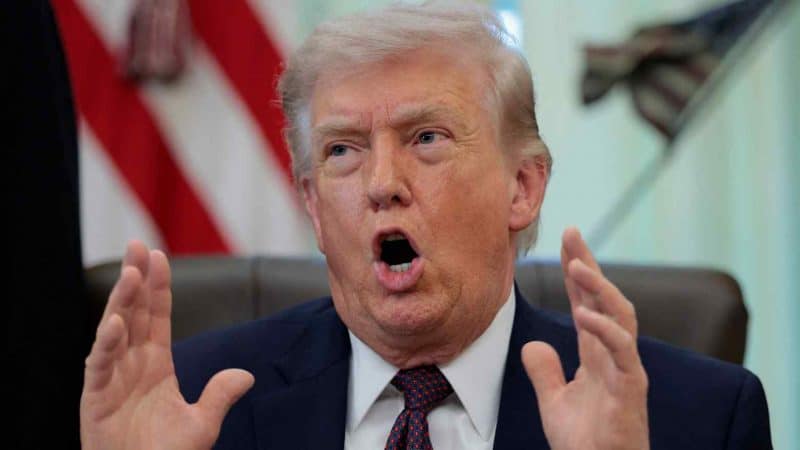
Trump’s “Anaconda Plan” targets Iran with naval blockade, sanctions
Former President Trump's proposed "Anaconda Plan" aims to impose a naval blockade and sanctions on Iran, escalating geopolitical tensions. This strategy could significantly disrupt global oil markets and further strain U.S.-Iran relations, creating broader economic uncertainty. Such instability often prompts investors to seek safe-haven assets, potentially increasing demand for Bitcoin and other cryptocurrencies. We will be watching for any official statements or actions regarding this plan and its immediate impact on oil prices and global financial markets.

Israel demands Hezbollah respect Lebanon ceasefire amid ongoing violations
Israel has publicly demanded that Hezbollah adhere to the existing ceasefire with Lebanon, citing ongoing violations. This escalation of Middle East tensions is significant for the crypto market, as geopolitical instability often reinforces Bitcoin's narrative as a safe-haven asset. While no specific crypto-related data point is available from this report, the broader market reaction to such events can include increased demand for decentralized, non-sovereign stores of value. Investors should closely watch for any further escalation or de-escalation of the conflict, as this could influence short-term market sentiment and capital flows.

Netanyahu orders strikes on Hezbollah in Lebanon, ceasefire at risk
Israeli Prime Minister Netanyahu has ordered strikes against Hezbollah targets in Lebanon, significantly jeopardizing the region's already fragile ceasefire. This escalation introduces heightened geopolitical uncertainty, which often correlates with increased volatility across global financial markets, including cryptocurrencies. The immediate risk is a further destabilization of the Middle East, potentially driving investors toward perceived safe-haven assets or away from riskier ones like Bitcoin. Watch for any further military actions or diplomatic responses, as these will dictate market sentiment and potential price movements in the coming days.
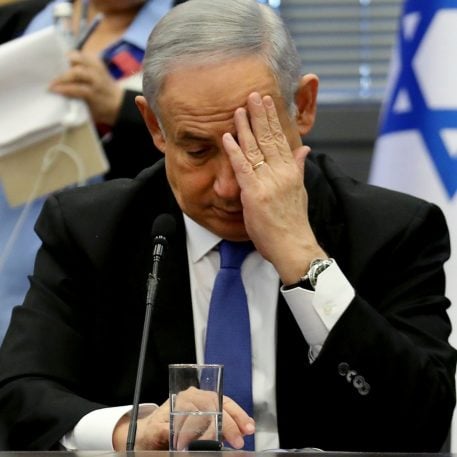
Tel Aviv protests demand Netanyahu resignation amid security failures
Massive protests in Tel Aviv are demanding Prime Minister Netanyahu's resignation over perceived security failures. This significant domestic unrest highlights growing political instability within Israel, a key player in the Middle East. Such geopolitical turmoil can ripple through global financial markets, potentially influencing investor sentiment towards safe-haven assets like Bitcoin or increasing overall market volatility. Watch for any escalation of the conflict or shifts in regional stability, as these factors could impact broader crypto market trends.

Israeli airstrikes in Lebanon kill six, threaten Hezbollah ceasefire
Israeli airstrikes in Lebanon killed six, jeopardizing the fragile ceasefire with Hezbollah. This escalation introduces significant geopolitical instability, challenging market assumptions of continued regional peace and potentially leading to repricing across risk assets, including cryptocurrencies. The immediate impact is a heightened risk premium, with six fatalities underscoring the severity of the situation. Investors should closely monitor further military actions and diplomatic responses, as sustained conflict could dampen broader market sentiment.

Hezbollah launches drones at Israeli forces, IDF strikes back in Lebanon
Hezbollah launched drones at Israeli forces, prompting retaliatory strikes by the IDF in Lebanon. This escalation of conflict in the Middle East significantly heightens regional instability and could derail ceasefire efforts. Such geopolitical turmoil often drives investors towards perceived safe-haven assets, including Bitcoin, potentially influencing its price action. Moving forward, watch for any further military engagements or diplomatic interventions, as continued unrest could sustain this flight-to-safety dynamic for digital assets.
Major banks predict Bitcoin could hit $200k by 2026 despite steady market odds
Major banks are now forecasting Bitcoin could reach $200,000 by 2026, signaling increasing institutional optimism for the asset. This matters as it reflects a growing belief in significant long-term growth potential, despite current market caution. The key takeaway is the $200,000 price target, suggesting a substantial upside from today's levels. Moving forward, watch for concrete catalysts that could bridge the gap between this institutional outlook and broader market sentiment.

Israeli raid in southern Lebanon tests Israel-Hezbollah ceasefire durability
An Israeli raid in southern Lebanon is testing the durability of the ceasefire between Israel and Hezbollah. This event underscores how quickly geopolitical tensions can escalate in volatile regions, potentially impacting global markets. Such instability often leads investors to seek safe-haven assets, which can indirectly influence Bitcoin's price movements as a perceived digital gold. We will be watching for any further military actions or diplomatic responses that could signal broader regional conflict.

Israeli airstrikes hit southern Lebanon, raising 2026 ceasefire questions
Israeli airstrikes have targeted southern Lebanon, raising concerns about the stability of a 2026 ceasefire. This development is significant for the crypto market as geopolitical instability often influences investor sentiment and risk asset performance, including Bitcoin. The key issue is the potential disruption to regional diplomacy and market predictions, challenging assumptions of future stability. Investors should closely watch for further escalations or de-escalations in the region, as these events could introduce volatility into the broader financial landscape.

Israel bombs Lebanon amid ceasefire, citing Hezbollah rocket attacks
Amid a fragile ceasefire, Israel conducted airstrikes in Lebanon, citing rocket attacks from Hezbollah. This escalation underscores the geopolitical volatility in the Middle East, a region whose instability often reverberates through global financial markets. While no direct crypto impact is immediately apparent, heightened geopolitical tensions typically lead investors to reassess risk, potentially affecting Bitcoin's role as a perceived safe-haven asset. Watch for further developments in regional conflicts, as sustained instability could influence broader market sentiment and capital flows.

Israeli forces kill over 15 Hezbollah members in southern Lebanon amid tensions
Recent reports indicate Israeli forces killed over 15 Hezbollah members in southern Lebanon, escalating regional tensions. This event is significant for the crypto market as geopolitical instability often drives investors towards perceived safe-haven assets like Bitcoin, or conversely, creates broader market uncertainty. The key data point is the death toll of over 15 individuals, underscoring the severity of the conflict. Moving forward, watch for any further military escalations or diplomatic efforts, as these could influence market sentiment and asset flows.

Rockets from Lebanon trigger sirens in northern Israel’s Upper Galilee
Rockets fired from Lebanon recently triggered sirens in northern Israel, marking a concerning escalation in regional tensions. This event is significant for the broader crypto market as it could erode confidence in diplomatic resolutions and ceasefire prospects, potentially dampening overall market sentiment. The key takeaway is the renewed geopolitical instability in a volatile region. Moving forward, watch for further military responses or diplomatic efforts, as these will indicate whether the conflict is contained or poised to widen, impacting risk assets like Bitcoin.
The Daily Briefing
Get the day's most important crypto stories in your inbox every morning. No spam. No hype. Just the news you need.
Unsubscribe at any time.