★Central Banks See Stablecoins as a Threat — What Global Control Means
What This Means
- →Central bank scrutiny of stablecoins intensifies → regulatory frameworks will tighten significantly, impacting issuance and usage.
- →BIS calls for global stablecoin cooperation → international standards will emerge, favoring regulated, compliant stablecoin projects.
- →Stablecoins recognized as monetary threat → sovereign digital currencies will accelerate, competing directly with private stablecoin offerings.
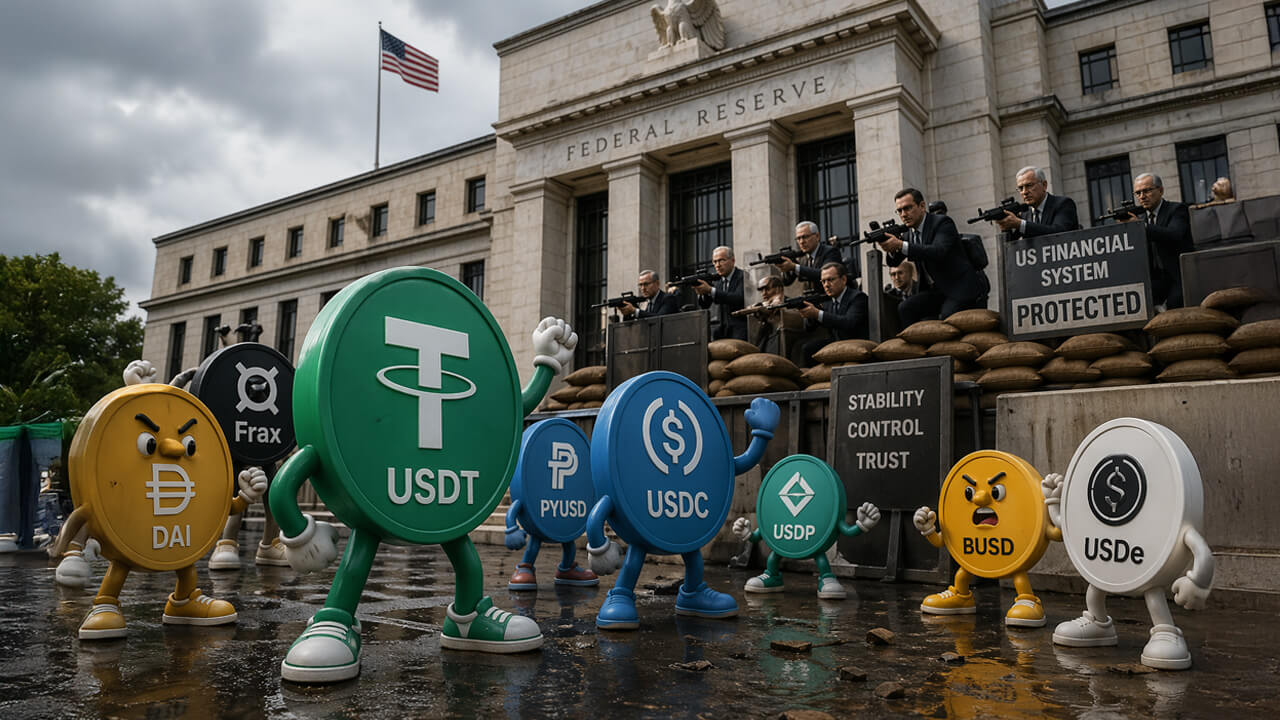
"Central banks are no longer debating stablecoin risks, but how to control them as a serious monetary force. This shift means more global regulation is coming, which could either legitimize stablecoins or stifle their growth, impacting the entire crypto market's stability and future."
The Big Coin Report Take
Central banks are now viewing stablecoins as a significant monetary force, shifting their focus from debating risk to establishing control and regulation. This matters for Bitcoin and the broader crypto market as it signals an impending, coordinated global effort to integrate stablecoins into the traditional financial system. The Bank for International Settlements (BIS) General Manager Pablo Hernandez de Cos highlighted this, calling for "critically important" global cooperation. Moving forward, watch for concrete regulatory frameworks and international agreements that will shape how stablecoins operate and interact with fiat currencies worldwide.
What To Watch
- 1.USDT Dominance 70% — a break above this level would signal increased risk-off sentiment in the broader crypto market, with capital flowing into the most liquid stablecoin as traders de-risk from altcoins and even BTC.
- 2.Stablecoin Market Cap (Total) — a sustained decline below $150 billion would indicate significant capital outflow from the crypto ecosystem, suggesting a broader market deleveraging or loss of confidence.
- 3.G7/BIS Coordinated Regulatory Framework — if a unified, restrictive global regulatory framework for stablecoins is announced, it could severely limit their growth and utility, potentially leading to a significant reduction in crypto market liquidity and innovation.
The Big Picture
Central banks' shift from debating stablecoin risk to demanding control reveals a fundamental recognition of digital assets as integral to future monetary systems. This means a new era of stringent regulation is inevitable, fundamentally reshaping how stablecoins operate and integrate globally.
Related Guides
Never miss a story
More from this section
 Middle East Airstrikes Threaten Crypto's Geopolitical Stability PremiumCrypto Briefing39m ago
- CFTC Sues New York Amid State-Level Crypto Crackdown EscalationThe Block47m ago
 Middle East Tensions Escalate: How Geopolitics Impacts Crypto Capital FlowsCrypto Briefing1h ago
 Bank Predictions Point to $200k Bitcoin — But Market Remains CautiousCrypto Briefing1h ago