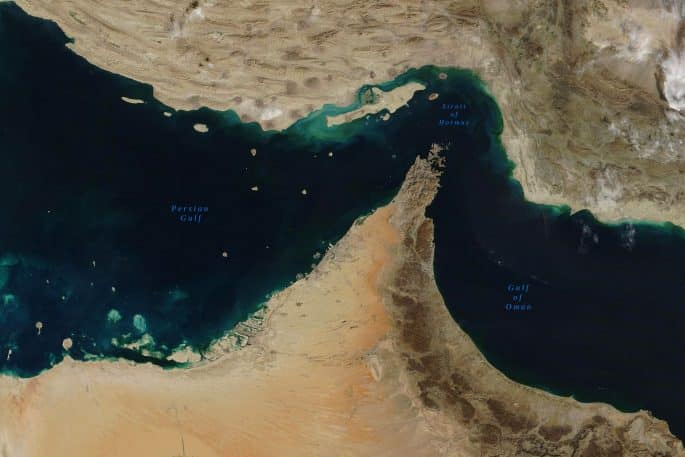
★UN Security Council deadlocked on Strait of Hormuz reopening
What This Means
- →UN deadlock on Hormuz reopening → heightened geopolitical risk drives capital into safe-haven assets.
- →Strait of Hormuz instability → increased oil prices inflate energy sector, impacting global inflation.
- →Protracted diplomatic failure → sustained market uncertainty deters investment in riskier assets.
"A blocked Strait of Hormuz would disrupt global oil supplies, spiking energy prices and potentially triggering broader economic instability. Such geopolitical shocks often push investors towards safe-haven assets, which can include Bitcoin, or increase market volatility across all asset classes, including crypto."
The Big Coin Report Take
The UN Security Council has reached a stalemate regarding the reopening of the Strait of Hormuz. This geopolitical deadlock is significant for Bitcoin and the broader crypto market, as it signals increased global instability and potential supply chain disruptions that could drive demand for decentralized assets. The core issue is the council's inability to achieve consensus, leaving a critical shipping lane in limbo. Moving forward, observers should watch for any shifts in diplomatic efforts or escalating tensions, as these will likely influence market sentiment and asset flows.
What To Watch
- 1.BTC $68,500 — a sustained break below this key support level, especially on increasing volume, would signal a potential retest of the $65,000 range and invalidate the recent bullish momentum.
- 2.Stablecoin Dominance Index — a significant increase above 15% would signal a flight to safety and reduced risk appetite among crypto investors, potentially preceding broader market corrections.
- 3.Escalation of Middle East Tensions — if the Strait of Hormuz remains closed or hostilities increase, it would trigger a sharp rise in oil prices, leading to sustained global inflation and forcing central banks to maintain higher interest rates for longer, negatively impacting risk assets like crypto.
The Big Picture
The UN Security Council's deadlock on the Strait of Hormuz reveals how geopolitical friction directly impacts global energy flows and, by extension, the stability of traditional finance. This escalating instability will drive further capital into decentralized assets as a hedge against sovereign risk.
Related Guides
Never miss a story
More from this section

 Geopolitical Easing: What It Means for Bitcoin's Risk AppetiteCrypto Briefing1h ago
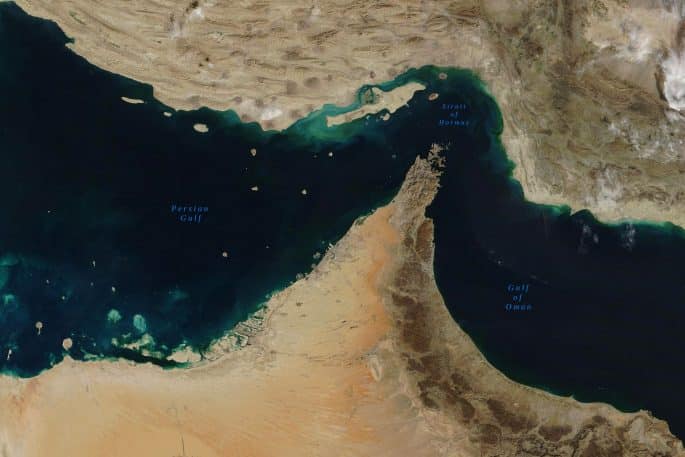 First LNG shipment exits Strait of Hormuz since 2026 Iran war beganCrypto Briefing1h ago
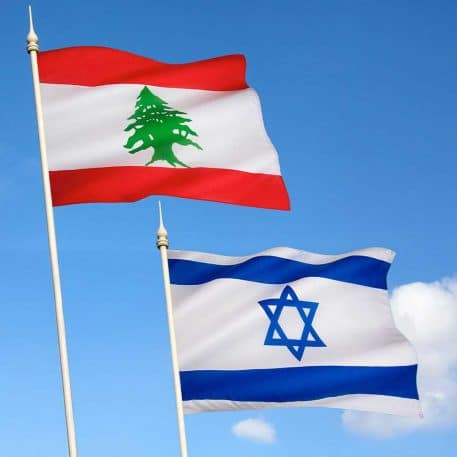 Israel and Lebanon pursue peace talks, Hezbollah excludedCrypto Briefing2h ago
 Iran demands US-Israeli guarantees for Gulf security before peace talksCrypto Briefing2h ago