★EU Sanctions Tighten: What It Means for Global Crypto Access
What This Means
- →EU sanctions restrict Russian crypto access → reduced liquidity and demand for certain digital assets.
- →Increased regulatory pressure on crypto providers → heightened compliance costs for global exchanges.
- →Geopolitical tensions impacting crypto markets → a further push towards decentralized, permissionless protocols.
"This EU ban directly impacts crypto's role in international finance, limiting its use for sanctioned entities and potentially driving more regulation globally. It shows governments are actively closing loopholes, making crypto less of an "escape route" and more integrated into traditional financial controls."
The Big Coin Report Take
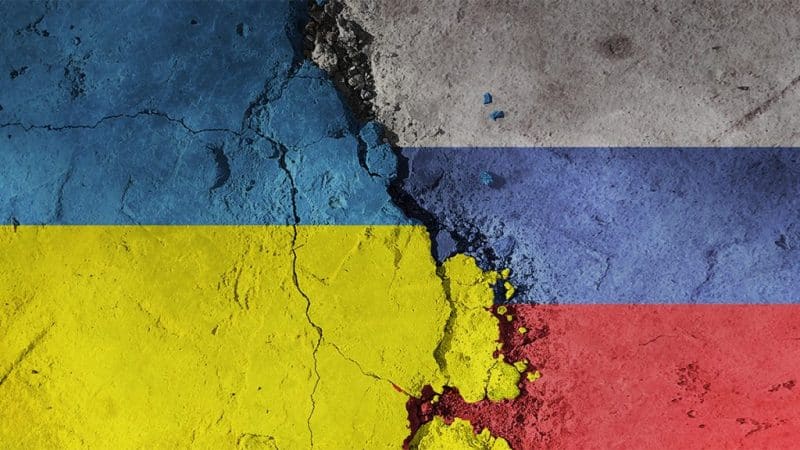
The European Union has further tightened sanctions against Russia, specifically banning EU entities from providing crypto asset services to Russia-based individuals and entities. This move significantly deepens Russia's financial isolation, indicating a prolonged period of geopolitical tension and a hardening stance against the use of digital assets to circumvent traditional financial systems. While no specific transaction volume is cited, the ban effectively severs a potential avenue for capital flow. Investors should monitor how this impacts the broader crypto market's regulatory landscape and the potential for other nations to adopt similar restrictions.
What To Watch
- 1.BTC $67,500 — a sustained break below this support level, especially on high volume, would confirm a short-term bearish trend and likely target $64,000 as the next significant support.
- 2.Stablecoin Dominance (USDT/USDC) — a sharp increase in stablecoin dominance above 15% would signal a significant deleveraging event or a flight to safety, indicating market participants are converting volatile assets to stablecoins, potentially preceding further price declines.
- 3.Escalation of EU/G7 crypto sanctions on Russia — if these sanctions expand to include secondary market participants or non-compliant exchanges, it could trigger a broader regulatory crackdown globally, leading to reduced liquidity and increased compliance costs across the entire crypto ecosystem.
The Big Picture
This story reveals that nation-states view crypto as a critical financial lever, integrating it into traditional geopolitical strategy. The market's utility as a sanctions bypass mechanism is now severely constrained, forcing a recalibration of its role in global finance.
Related Guides
Never miss a story
More from this section
 Iran bans Israeli-affiliated ships in Strait of Hormuz control planCrypto Briefing1h ago
 Dollar steady amid potential US-Iran talks, central bank decisionsCrypto Briefing1h ago
 Israeli military strikes Hezbollah sites in Lebanon amid ceasefire doubtsCrypto Briefing2h ago
 Ripple Trial Signals South Korea's Blockchain Remittance PushCoinTelegraph2h ago
 US sanctions Chinese refinery, targets Iranian oil shipping amid tensionsCrypto Briefing2h ago