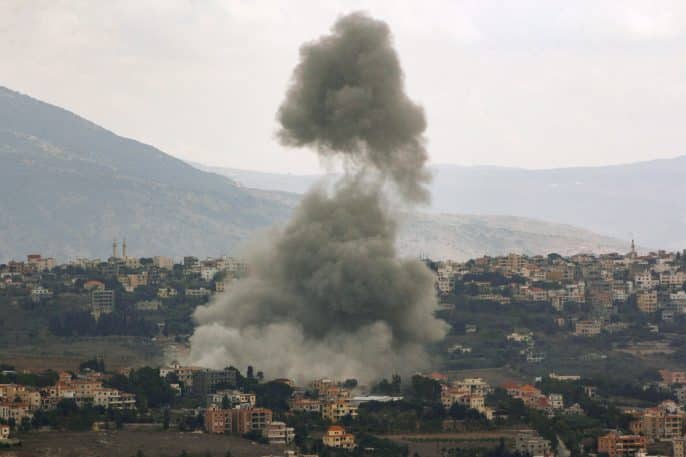
★Israeli military expands control in southern Lebanon, signaling prolonged presence
What This Means
- →Increased regional instability → investors flee to safe-haven assets like gold.
- →Prolonged military presence → disrupts trade routes, increasing commodity prices.
- →Escalating conflict risks → reduces foreign investment in the region.
"Increased military conflict in the Middle East often drives investors toward safe-haven assets like Bitcoin. This expansion could signal a wider, prolonged regional instability, potentially boosting demand for decentralized alternatives to traditional finance. It's a risk-off signal for global markets, which crypto often follows."
The Big Coin Report Take
The Israeli military has expanded its control in southern Lebanon, indicating a strategic and potentially prolonged presence in the region. This escalation of geopolitical tension is significant for Bitcoin and the broader crypto market, as such instability often drives investors towards perceived safe-haven assets. While no specific financial data point was provided, the sustained military action itself signals a heightened risk environment. Moving forward, observers should watch for further de-escalation efforts or any expansion of the conflict, as these will directly influence market sentiment and asset flows.
The Big Picture
The crypto market remains highly sensitive to geopolitical shifts, with the Israeli military's actions in Lebanon adding a new layer of uncertainty. This prolonged regional instability could continue to suppress broader market confidence and drive demand for perceived safe-haven assets.
Related Guides
Never miss a story
More from this section
 US hosts talks as Lebanon seeks ceasefire extension with IsraelCrypto Briefing52m ago
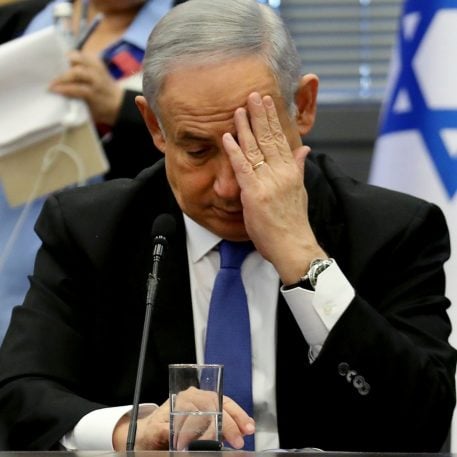 Israeli airstrike in Gaza kills five civilians, raises regional tensionsCrypto Briefing1h ago
 Israeli soldiers looting homes in Lebanon could strain ceasefire effortsCrypto Briefing1h ago
 Regulators scrutinize $3T private credit sector, raising S&P 500 risk concernsCrypto Briefing1h ago
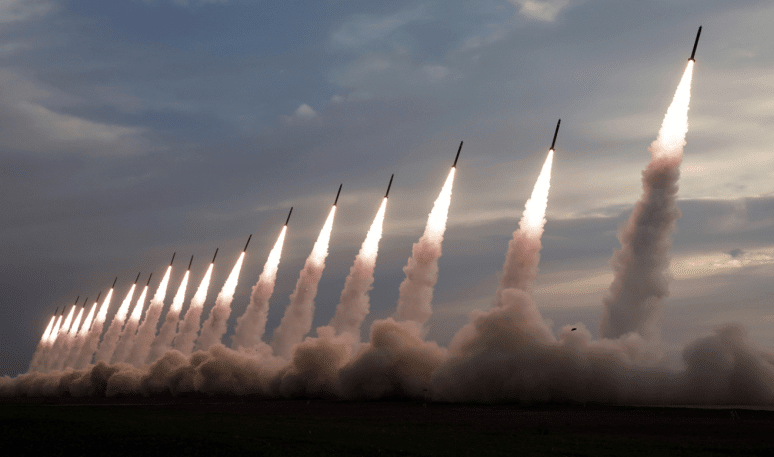 Israeli army launches interceptor missile near Lebanon amid Hezbollah operationsCrypto Briefing2h ago