Iran's Strait Closure: Geopolitical Risk Fuels Bitcoin Safe-Haven Demand
What This Means
- →Geopolitical instability increases safe-haven demand → Bitcoin sees renewed interest as a hedge.
- →Oil supply shocks fuel inflation expectations → Bitcoin becomes more attractive as a hard asset.
- →Global economic uncertainty prompts risk-off sentiment → Capital flows into perceived non-sovereign stores of value.

The Big Coin Report Take
Iran's closure of the Strait of Hormuz significantly disrupts global oil supplies, particularly impacting Asian economies. This geopolitical escalation immediately heightens energy market volatility and reinforces inflation concerns. For Bitcoin and crypto, such events typically boost demand for uncorrelated, decentralized assets as investors seek safe havens. The key takeaway is the increased risk premium across all markets, potentially driving capital into digital assets. What to watch next is the duration of the closure and the broader geopolitical response, which will dictate the extent of market contagion and Bitcoin's safe-haven appeal.
What To Watch
- 1.Bitcoin breaking $72,000 → confirms strong safe-haven demand and bullish momentum.
- 2.Stablecoin market cap growth → signals capital entering crypto, ready to deploy.
- 3.Escalation of Middle East conflict → could trigger broader market sell-offs, boosting BTC's flight-to-safety narrative.
The Big Picture
This event highlights Bitcoin's emerging role as a geopolitical hedge in an increasingly unstable world. Traditional risk assets will suffer from inflation and supply shocks, while Bitcoin offers an alternative. This reinforces the narrative of Bitcoin as digital gold, driving capital flows into the asset.
Related Guides
Never miss a story
More from this section
 Moscow Drone Strike: Escalating Conflict Fuels Geopolitical Risk for CryptoCrypto Briefing1h ago
 US Navy AI in Hormuz: Geo-stability Reduces Macro RiskCrypto Briefing1h ago
- Trump's Hormuz Blockade Signal: Geopolitical Risk Boosts Bitcoin's Safe-Haven AppealCrypto Briefing1h ago
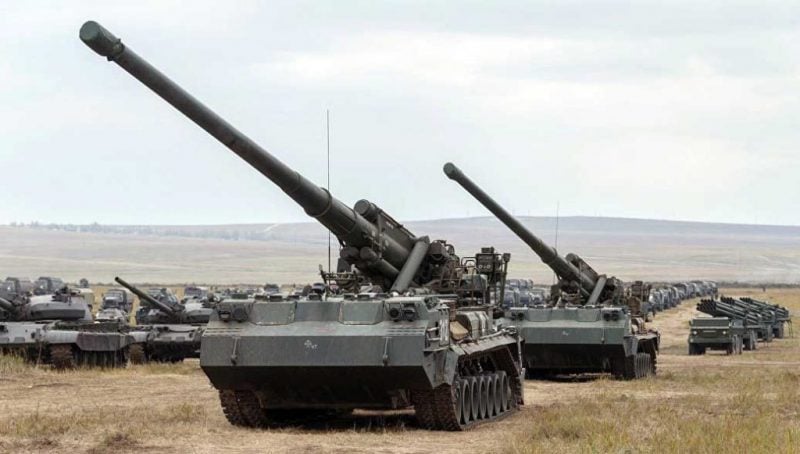 Medvedev warns of nuclear apocalypse amid Russia-NATO tensionsCrypto Briefing1h ago
 BlackRock ETP Hits $1.1B AUM: Institutional Capital Embraces Bitcoin.Crypto Briefing2h ago