Hormuz Tensions Slow Shipping: Oil Prices Fuel Inflation, Bolstering Bitcoin's Hedge Narrative
What This Means
- →Geopolitical tensions disrupt oil supply → energy prices rise globally.
- →Higher energy costs drive inflation expectations → central banks maintain hawkish stance.
- →Macroeconomic instability increases risk aversion → capital flows towards safe havens, including Bitcoin.
The Big Coin Report Take
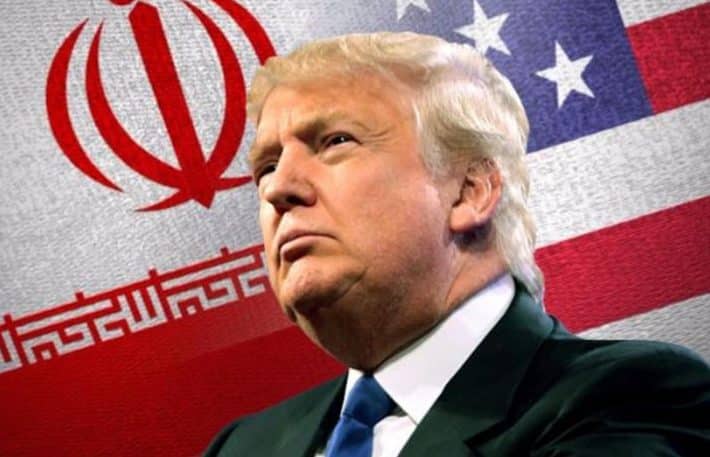
Escalating US-Iran tensions are causing a slowdown in shipping traffic through the Strait of Hormuz, a critical chokepoint for global oil supplies. This geopolitical instability threatens to destabilize global oil markets and could lead to significant energy price hikes. For crypto, this matters as rising energy costs often fuel broader inflation concerns, potentially impacting central bank monetary policy. The key data point is the reduced shipping volume through Hormuz. Investors should watch for sustained oil price increases and their subsequent effect on inflation data and Fed policy decisions.
What To Watch
- 1.Oil prices breaking above $90/barrel → sustained inflationary pressure.
- 2.Bitcoin's correlation with gold strengthens → flight to digital safe-haven assets.
- 3.Fed commentary on energy-driven inflation → potential for delayed rate cuts.
The Big Picture
This story highlights how geopolitical instability in key energy regions directly impacts global macroeconomic conditions. Rising oil prices can fuel inflation, influencing central bank policies and investor risk appetite. This environment often creates tailwinds for assets perceived as inflation hedges or safe havens, including Bitcoin.
Never miss a story
More from this section

 Iran Tensions Ignite Oil Prices: Inflationary Headwinds for CryptoCrypto Briefing1h ago
 Middle East Tensions Drive Risk Aversion — Bitcoin's $94K Target FadesCrypto Briefing1h ago
 AI Demand Fuels Samsung Profits: Tech Strength Bolsters Crypto SentimentCrypto Briefing1h ago