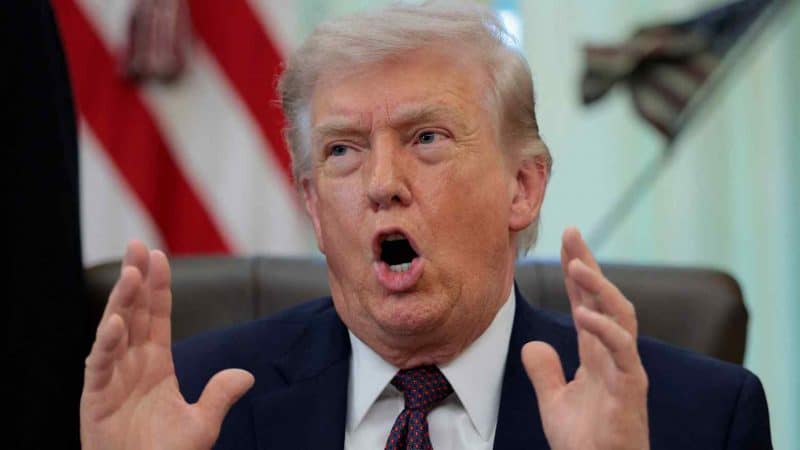
★Trump rejects Iran’s offer, dims hope for oil sanction relief in April
What This Means
- →Trump's rejection of Iran's offer → oil prices will remain elevated due to sustained supply constraints.
- →Prolonged geopolitical tensions → increased market uncertainty will drive investors towards safe-haven assets.
- →No sanction relief for Iran → global energy supply remains tight, pressuring inflation upwards.
"This move signals ongoing geopolitical instability and higher oil prices, which can fuel inflation. When traditional markets face uncertainty and inflation concerns, some investors look to Bitcoin as a hedge, potentially driving demand."
The Big Coin Report Take
Former President Trump rejected an offer from Iran, signaling a continuation of geopolitical tensions and dimming prospects for oil sanction relief. This development matters for the broader crypto market as sustained global instability and commodity price volatility often lead investors to seek safe havens or alternative assets like Bitcoin. The key takeaway is the prolonged uncertainty regarding oil sanctions, which were hoped to be eased by April. Moving forward, watch for further escalations in the Middle East and how traditional markets react, as this could influence crypto's role as a non-sovereign store of value.
What To Watch
- 1.BTC $68,500 — a sustained break below this key support level, especially on increasing volume, would signal a potential retest of $65,000 as the current range bottom.
- 2.Stablecoin Dominance (USDT, USDC, DAI) — a significant increase in stablecoin dominance above 10% signals a flight to safety and potential capital waiting on the sidelines for lower entry points.
- 3.Escalation of Middle East Tensions — if the geopolitical situation in the Middle East deteriorates further, leading to supply chain disruptions or higher energy prices, it could trigger a broader risk-off sentiment across global markets, including crypto, as investors seek traditional safe havens.
The Big Picture
Trump's firm rejection of Iran's offer reveals a market structure increasingly driven by geopolitical hardball, not negotiation. This stance guarantees sustained oil price volatility and reinforces the premium on energy security, pushing inflation higher.
Related Guides
Never miss a story
More from this section
 China’s Politburo backs AI initiative, potential boost for Alibaba modelsCrypto Briefing1h ago
 US munitions shortage raises concerns over Taiwan defense amid Iran tensionsCrypto Briefing1h ago
 China's Stimulus Signals Global Shift — What It Means for Crypto CapitalCrypto Briefing1h ago
 Iran oil shipments plunge amid tightening US blockade of Strait of HormuzCrypto Briefing1h ago
 Bitcoin Dips as Geopolitical Tensions Highlight VulnerabilityCrypto Briefing1h ago