★Tether Freeze Hits Iran Sanctions — What It Means for Stablecoin Trust
What This Means
- →Tether's compliance with U.S. sanctions → USDT becomes less attractive for illicit finance.
- →U.S. pressure on stablecoin issuers → increased scrutiny on all crypto transactions globally.
- →Sanctions enforcement via stablecoins → bolsters traditional financial system's control over crypto.
"This Tether freeze shows how stablecoins, despite their decentralized nature, are still subject to powerful government sanctions. It highlights a growing trend where governments use crypto's transparency to enforce financial blockades, potentially impacting how other nations or entities view and use stablecoins globally."
The Big Coin Report Take
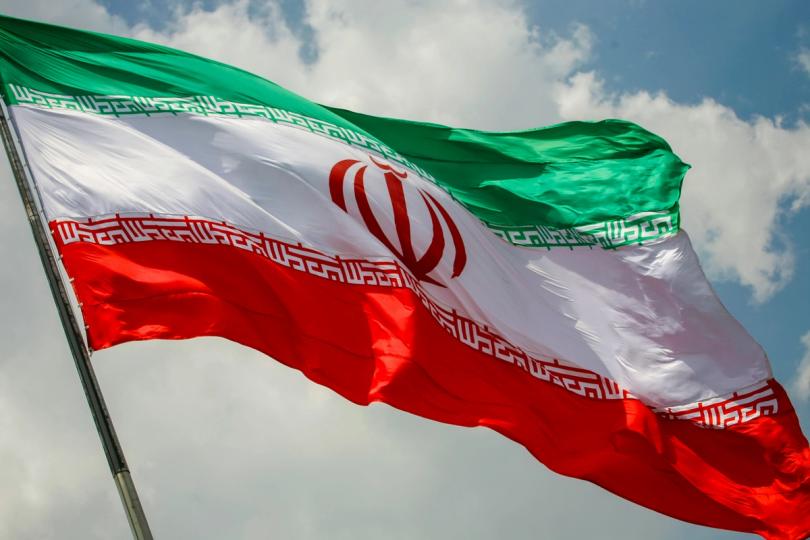
Tether recently froze $344 million in USDT, reportedly at the request of the U.S. government as part of its "economic fury" campaign against the Iranian regime. This action highlights the significant centralized control stablecoin issuers like Tether possess over their assets, demonstrating how traditional financial sanctions can extend into the crypto space. The substantial sum of $344 million underscores the scale of these enforcement efforts. Moving forward, watch for increased scrutiny and potential similar freezes on other centralized crypto assets as governments worldwide continue to leverage these tools for geopolitical objectives.
What To Watch
- 1.BTC $67,500 — a sustained break below this support level, especially on high volume, would confirm a short-term bearish trend reversal, potentially targeting $64,000 next.
- 2.USDT Dominance (Tether's market cap share) — a significant increase above 5.5% would signal a flight to stablecoins, indicating reduced risk appetite and potential selling pressure across the broader crypto market.
- 3.Escalation of U.S. sanctions against crypto entities facilitating transactions for sanctioned regimes — this would lead to increased regulatory scrutiny on stablecoin issuers, potentially freezing more addresses and reducing liquidity for affected entities, causing a ripple effect of distrust and capital flight from certain stablecoins.
The Big Picture
This incident reveals the growing intersection of global geopolitics and stablecoin infrastructure. The U.S. is weaponizing crypto's transparency and centralized control to enforce sanctions, signaling a new era where digital assets become key battlegrounds for state power.
Never miss a story
More from this section
 Ethereum Foundation Unstakes 17K ETH: What It Signals for Ethereum's LiquidityCrypto Briefing6h ago
 Ethereum Foundation Unstakes $48.9M ETH — Signaling Potential Sell PressureCrypto Briefing6h ago
 Ethereum Foundation Unstakes 17K ETH: What It Means for Staking DynamicsCoinTelegraph6h ago
 Ethereum Foundation Unstakes ETH: What It Means for Market LiquidityCrypto Briefing12h ago