★Fed rate cuts delayed to late 2026 amid Iran conflict inflation risks
What This Means
- →Delayed rate cuts due to geopolitical inflation → higher interest rates will persist, stifling growth.
- →Persistent high rates due to inflation/conflict → risk assets face sustained downward pressure.
- →Economic instability from delayed cuts → capital shifts to safe havens, away from speculative assets.
"Delayed Fed rate cuts mean money stays tighter for longer, making riskier assets like crypto less attractive to investors. This prolonged high-interest environment, coupled with inflation risks, could put downward pressure on Bitcoin and the broader market as capital seeks safer havens."
The Big Coin Report Take
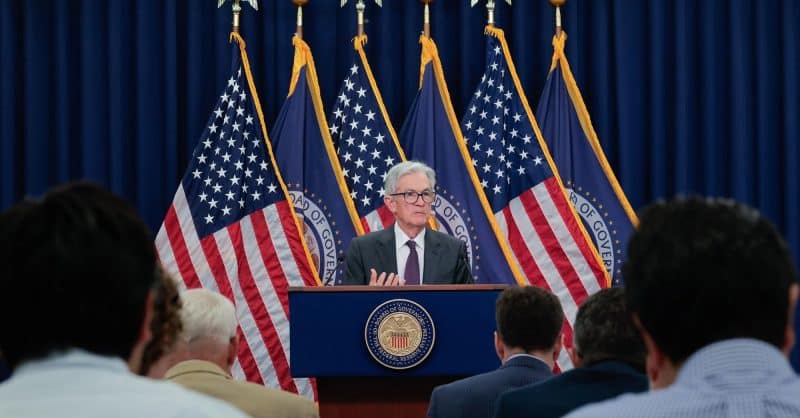
The Federal Reserve’s anticipated rate cuts are now projected to be delayed until late 2026, a significant shift driven by escalating geopolitical tensions, particularly the Iran conflict, and persistent inflation concerns. This prolonged period of higher interest rates heightens recession risks and tightens financial conditions across the board. For Bitcoin and the broader crypto market, this means continued headwinds as risk assets generally struggle under a restrictive monetary policy. Investors should closely watch upcoming inflation data and any further developments in global energy markets, as these will heavily influence the Fed's future decisions and the market's trajectory.
What To Watch
- 1.BTC $60,000 — a sustained break below this psychological and technical support level, especially on high volume, would signal a significant bearish shift, potentially targeting the $52,000-$55,000 range as the next major support.
- 2.Exchange Netflow (BTC) — a sustained period of positive netflow (more BTC flowing onto exchanges than off) would signal increased selling pressure from large holders, indicating a potential local top or correction.
- 3.Escalation of Middle East Conflict — a direct, sustained disruption to global oil supplies resulting in a spike in crude oil prices above $100/barrel would force central banks to maintain higher interest rates for longer, severely dampening risk asset appetite and potentially triggering a global recession.
The Big Picture
Geopolitical instability is now a primary driver of monetary policy, revealing a market structure highly sensitive to external shocks. Persistent inflation fueled by global conflict means higher-for-longer rates are the new baseline, signaling a prolonged period of economic contraction.
Related Guides
Never miss a story
More from this section

 OpenAI Launches Workspace Agents Feature in ChatGPTDecrypt2h ago