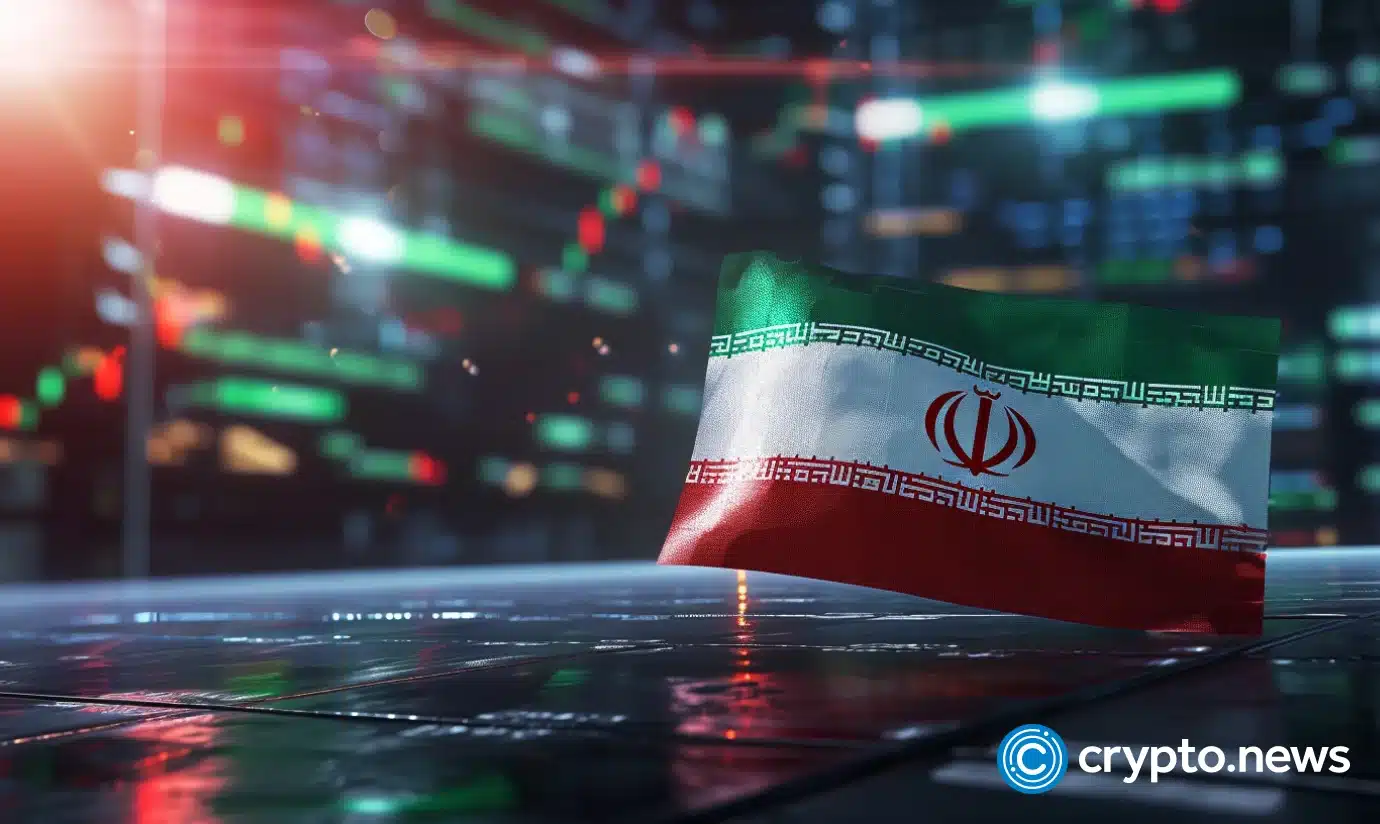
★Iran Seizes Ships in the Strait of Hormuz as Trump Extends the Ceasefire
What This Means
- →Iranian aggression amid ceasefire extension → geopolitical instability drives oil prices higher.
- →Disruption in Strait of Hormuz shipping → increased supply chain risk impacts global trade.
- →Iran's defiance of US blockade → escalating tensions deter international investment in the region.
"This geopolitical flashpoint directly impacts global oil markets and could escalate tensions. Such instability often drives investors towards alternative assets like Bitcoin, seeking a hedge against traditional market uncertainty and currency devaluation."
The Big Coin Report Take
Iran's Revolutionary Guard seized two container ships in the Strait of Hormuz on April 22, just after the US extended a ceasefire but maintained a naval blockade. This act of aggression highlights escalating geopolitical tensions in a critical global shipping lane. Such instability often drives investors towards perceived safe-haven assets like Bitcoin, potentially increasing its demand as traditional markets face uncertainty. Watch for further developments in US-Iran relations and their impact on oil prices, which could indirectly influence crypto market sentiment.
What To Watch
- 1.Crude Oil (WTI) $90/barrel — a sustained break above this level, fueled by supply chain disruptions from the Strait of Hormuz, would signal a significant inflationary shock, likely leading to more aggressive central bank rate hikes and a broader market downturn.
- 2.Baltic Dry Index (BDI) — a sharp and sustained increase in the BDI would signal escalating global shipping costs and supply chain stress due to geopolitical tensions, indicating potential for higher import prices and reduced corporate margins.
- 3.US 10-Year Treasury Yield — a rapid and sustained spike above 4.75% would signal a flight to safety combined with inflation fears, indicating a severe tightening of financial conditions and increased likelihood of a recession.
The Big Picture
This incident reveals a market structure where geopolitical tensions remain the primary driver of oil prices, overriding diplomatic gestures. Iran's actions signal a clear intent to disrupt global supply lines, pushing energy markets towards sustained volatility and higher crude valuations.
Related Guides
Never miss a story
More from this section

 Coinbase taps UK‑regulated tGBP in local‑currency stablecoin pushCrypto News2h ago
 The U.S. Military Is Running a Bitcoin Node, Admiral Paparo RevealsBitcoin Magazine2h ago